Blog

HomeBlog

Our blog is a great resource for all things relating to auto dealership security.


Here at Dealer Security, we understand that owning or operating an automotive dealership is a uniquely challenging venture, and we’re here to assist you. Our team is proud to offer exceptional auto dealership security solutions, and we love helping our customersfeel well-informed on best practices, industry updates, specific aspects of our services, and more. If you own an auto dealership anywhere in Canada, we encourage you to check out our blog to see what’s new. Interested in learning more about how we can assist you? Don’t hesitate to contact our office to speak with a member of our staff about how we can help protect your assets!
Exploring Today’s Key Management Solutions

Exploring Today’s Key Management Solutions

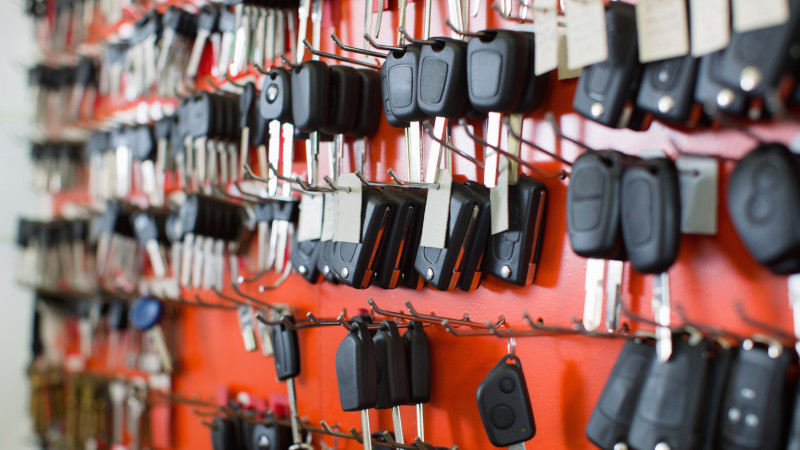
Businesses that manage a large number of keys, such as car dealerships, frequently encounter a few common issues such as misplaced keys and poor tracking. Traditional sign-out forms and manual storage procedures can cause confusion and pose security problems. This is why many dealerships are relying on key management solutions to boost accountability and streamline daily operations.

Exploring Today’s Key Management Solutions

How Key Management Systems Have Evolved

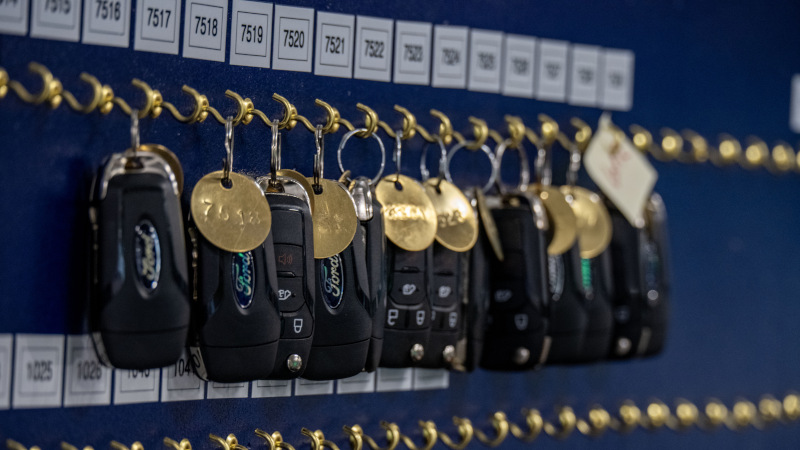
Today’s electronic key management systems include secure cabinets, authentication technologies, and cloud-based software to govern who has access to certain keys. Employees can retrieve approved keys using PIN codes, ID cards, or biometric verification, and each transaction is automatically logged. This leaves a clear audit trail and reduces the possibility of misplaced keys.

Benefits of Modern Key Management Solutions

One of the biggest advantages of modern key management solutions is real-time visibility. Managers can quickly determine which employee has a key, when it was removed, and whether it was returned on time. Automated alerts also allow you to respond quickly to missing keys. These features boost security while reducing time that would otherwise be spent manually tracking them down.

Investing in dependable key management solutions has become increasingly important, as secure key control allows dealerships to prioritize operational efficiency. By automating access control and boosting accountability, these technologies help you protect inventory while simplifying daily procedures.

To learn more about the key management solutions we offer at Dealer Security, reach out to our team today. We will take the time to answer any questions you might have and offer recommendations that make sense.

Key Management Solutions

The Real Cost of Lost Vehicle Keys at Canadian Dealerships: Why Key Mismanagement Is Quietly Costing Your Dealership Thousands, and How Key Management Solutions Can Help

If you ask a dealer principal in Canada how many keys their dealership loses each year, you’ll likely get an estimate — not a precise answer.

The Real Cost of Lost Vehicle Keys at Canadian Dealerships: Why Key Mismanagement Is Quietly Costing Your Dealership Thousands, and How Key Management Solutions Can Help

That uncertainty is part of the problem.

The cost of misplaced or lost vehicle keys doesn’t typically show up as a single line item on a financial statement. Instead, it’s spread across multiple areas — replacements, labour inefficiencies, customer delays, and risk exposure.

But when you take a closer look, the total impact is often far greater than expected.

The Hard Cost: Replacing Modern Vehicle Keys

Vehicle keys today are no longer simple mechanical tools — they are advanced electronic devices.

Modern key fobs include:

  • Proximity sensors
  • Encrypted communication
  • Push-button start functionality
  • Integrated immobilizer programming

In Canada, replacing a key through an OEM-authorized channel typically costs:

  • $300 to $800+ CAD per key
  • Luxury or digital-enabled keys can exceed this range

What This Means for a Dealership

A mid-sized dealership managing:

  • 150–300 keys
  • Losing or damaging 2–6 keys per month

Could be spending:

  • $7,000 to $25,000+ annually — just on replacement keys

And here’s the reality: Most of these keys are not actually lost — they’re simply misplaced.

They end up:

  • In a salesperson’s pocket
  • Behind a service desk
  • Passed between staff without proper tracking

While teams search, operations slow down — and replacements are often ordered before the original key is found.

The Hidden Cost: Lost Time and Productivity

The more costly issue isn’t the key — it’s time.

Every minute spent searching for a key is a minute lost to revenue-generating activity.

The Impact Across Your Team

  • Salespeople spending time searching instead of selling
  • Service advisors waiting to proceed with repairs
  • Lot attendants retracing their steps instead of moving vehicles

These small interruptions create:

  • Slower service throughput
  • Longer wait times
  • Increased internal frustration


The Productivity Reality

Dealerships that implement structured key management solutions often recover:

  • 15–30 minutes per employee, per day

Multiply that across:

  • 15–20 employees
  • Over weeks and months

…and the productivity gains become significant.

The Customer Experience Cost: Delays That Matter

Customer experience in automotive retail is shaped by key moments — especially:

  • First impressions
  • Final vehicle delivery or service handover


What Happens When Keys Can’t Be Found

  • A service customer waits 10+ minutes at pickup
  • A test drive is delayed or canceled
  • A deal risks slowing down — or being lost

While each delay seems minor, the long-term effects include:

  • Lower CSI (Customer Satisfaction Index) scores
  • Reduced trust and professionalism perception
  • Increased likelihood of customers going to competitors

In a highly competitive Canadian market, these small moments have a big impact on retention and reviews.

The Risk Cost: Insurance, Liability, and Accountability

This is where many dealerships are caught off guard.

Increasing Insurance Requirements

Canadian insurers are placing greater emphasis on:

  • Controlled key storage
  • Access tracking and accountability
  • After-hours security protocols

If a vehicle is stolen or goes missing, insurers now expect:

  • A clear audit trail of key access
  • Documented chain of custody
  • Evidence of secure storage practices

The Risk of Poor Key Control

Without proper key management solutions:

  • Claims may be challenged
  • Insurance premiums may increase
  • Liability exposure rises

A clipboard sign-out sheet or an unlocked key board is no longer considered adequate.

The Compounding Effect: Small Problems Add Up

Individually, these issues may seem manageable:

  • A few hundred dollars for a key
  • A few minutes lost here and there
  • Occasional customer frustration

But over time, they accumulate:

  • Thousands of dollars in direct costs
  • Hundreds of hours of lost productivity
  • Erosion of customer trust
  • Increased operational risk

The dealerships that address this proactively are the ones that have done the math — and realized how significant the impact really is.

What Canadian Dealerships Can Do About It

Step 1: Measure the Problem

Start with data:

  • Track how many keys are replaced quarterly
  • Estimate time spent dealing with key-related issues
  • Review insurance discussions around key control


Step 2: Improve Accountability

At a minimum:

  • Secure key storage (locked cabinets)
  • Clear check-in/check-out processes
  • Defined staff responsibility


Step 3: Consider Electronic Key Management Solutions

For many dealerships, especially multi-rooftop or high-volume operations, manual processes aren’t enough.

Electronic key management solutions provide:

  • Full audit trails
  • Controlled user access
  • Real-time key tracking
  • Improved compliance with insurance requirements


Final Thoughts: Stop Guessing, Start Managing

Lost and misplaced keys are more than an inconvenience — they are a hidden operational cost that impacts profitability, efficiency, and customer satisfaction.

The first step isn’t a major investment.

It’s simply this:

Stop guessing — and start counting.

Once you understand the true cost, the path forward becomes clear.

What Is Remote Video Monitoring And How Does It Work?

What Is Remote Video Monitoring And How Does It Work?

Break-in, vandalism, or even internal theft can cripple your operations and leave you frantic! Lost revenue, skyrocketing insurance costs, and a tarnished reputation. Feeling that pit in your stomach yet? But here’s the good news: There’s a secret weapon most businesses are now using to gain robust control: remote video monitoring.

What Is Remote Video Monitoring And How Does It Work?

Remote video monitoring ensures the prompt detection and swift response to theft, vandalism, fire, or suspicious behavior. It can also be used to monitor inventory levels and enhance operational efficiency. Imagine identifying shrinkage before it impacts your profits!

If this sounds interesting, our blog is just for you because it will explain the nitty gritty of remote video monitoring and show you how to implement it for maximum impact.  It’s easier than you think!!

But first, let’s visit the basics of remote video monitoring.

What Is Remote Video Monitoring?

Remote video monitoring employs strategically positioned surveillance cameras to detect security breaches and safeguard inventory, equipment, or property around the clock within a monitored area.

These CCTV cameras record in real time and then use an internet connection to send the footage to a central monitoring station or cloud-based platform.

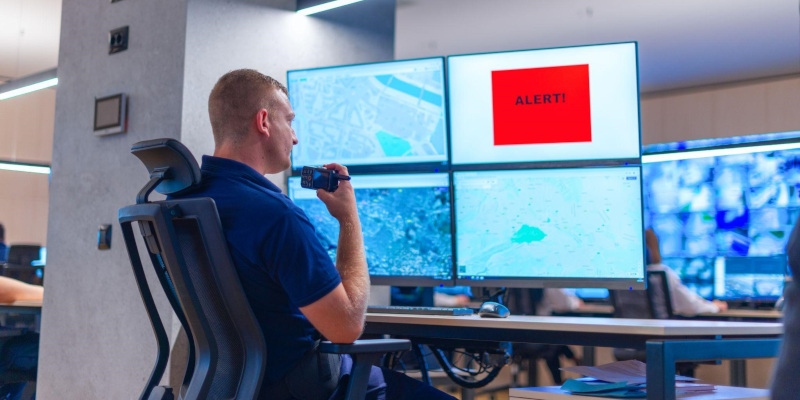
Remote video monitoring, also known as live video monitoring, allows operators to watch live video feeds in real-time from a remote location. When an alarm is triggered due to intrusion, fire, or any security breach or suspicious activity, these operators can immediately monitor the situation as it unfolds.

Remote video monitoring offers a comprehensive alternative to physical security patrols, allowing vigilant remote operators to monitor and respond to video alarms across multiple locations simultaneously. Here’s how it works:

  • Real-Time Monitoring: Keep an eye on areas or activities in real-time.
  • Suspicious Activity Detection: Identify trespassing, vandalism, fire, and other suspicious activities.
  • Event Recording: Capture video footage for later review and evidence.
  • Crime Deterrence: Deter potential criminals by making them aware they are being watched.
  • Instant Alerts: Receive notifications on your phone or at your security center when suspicious activity is detected.
  • Swift Response: Quickly dispatch security personnel or contact law enforcement as needed.
  • Thorough Investigation: Review video evidence to understand and address incidents.

Components of a Remote Video Monitoring Security System

Component Description
Cameras High-definition (HD) or ultra-high-definition (UHD) cameras with various features such as night vision, motion detection, and wide-angle lenses.


  • Bullet Cameras: Provide a wide field of view for capturing activity at doorways and entrances.
  • Varifocal Cameras: Offer adjustable zoom for focusing on specific details like faces or license plates.
  • Dome Cameras: Discreet and vandal-resistant, ideal for high-value areas.
  • Day/Night Cameras: Provide clear images in both well-lit and low-light conditions.
  • Mini-Dome Cameras: Discreet and unobtrusive; ideal for mounting above cash registers.
Network Infrastructure Routers, switches, and cables ensure reliable connectivity between cameras and monitoring stations, supporting both wired and wireless connections.
Video Management Software Central software for managing camera feeds, recording, playback, and alerts. Includes user-friendly interfaces and integration with other systems.
Storage Solutions Local or cloud-based storage systems for archiving video footage. Includes options like Network Attached Storage (NAS), cloud storage, and hybrid solutions.
Analytics Software Advanced software that analyzes video feeds for specific patterns, behaviors, or events, often incorporating AI and machine learning for enhanced accuracy.
Remote Access Tools Mobile apps and web interfaces that allow users to access live feeds and recorded footage from anywhere.

*swipe left to see more

How Does Remote Video Monitoring Work?

Step 1: Strategic Placement of Cameras and Horn Loudspeakers

Evaluate the perimeter and key areas of your business, including entry points, high-value zones, hallways, lobbies, cash registers, and storage rooms, to identify the best locations for camera and horn loudspeaker installation. Ensure comprehensive coverage and eliminate blind spots for optimal security.

Step 2 : Triggering Video Alarms

Cameras continuously monitor the designated areas, capturing live video feeds. When an intruder or suspicious activity is detected, the system triggers a video alarm at the remote video monitoring center.

Step 3: Response by Trained Operators

Trained security operators at the remote command center review the video alarm and real-time footage to assess the situation. They determine if it constitutes a real threat based on predefined criteria and your business’s standard operating procedures (SOPs).

Step 4: Swift Action and Escalation

If a threat is confirmed, operators take swift action according to the SOPs. This may include alerting  local authorities, such as the police, fire department, or designated security personnel. Also, using horn loudspeakers, operators can issue verbal warnings to intruders, potentially deterring the threat.

Step 5: Vigilance Until Resolution

Operators continue to monitor the situation closely until the threat is resolved or authorities arrive on-site. Constant communication is maintained to provide real-time updates and ensure coordinated efforts to handle the threat. Incident footage is securely stored in the cloud, ensuring it is accessible for review and analysis.

Industries That Can Benefit From Remote Video Monitoring

  • Construction sites: Construction sites, often vulnerable to vandalism and material theft, can significantly benefit from remote video monitoring. This technology deters loiterers, protects valuable equipment, and helps minimize costly delays and losses.
  • Automotive dealerships: Automotive dealerships, which face a high risk of theft and vandalism of expensive vehicles, can greatly benefit from remote video monitoring. This technology deters suspicious activity and provides remote oversight of the entire dealership, ensuring the protection of valuable automobiles.
  • Cannabis security: Strict regulations and the need to protect cannabis products create unique security challenges for cannabis businesses. Remote video monitoring offers a complete solution by ensuring compliance with real-time surveillance and providing tamper-proof evidence in case of incidents.
  • Truck yards: Vulnerable to unauthorized access, cargo theft, and vehicle vandalism, truck yards require robust security solutions. Remote video monitoring deters criminals and safeguards parked vehicles and cargo, minimizing losses and disruptions.

How Does AI Impact Remote Video Monitoring?

Security cameras are no longer passive observers. Thanks to artificial intelligence (AI), they’re becoming smarter and more proactive, transforming remote video monitoring into a powerful security and business tool. Here’s how AI is changing the game:

  1. Fire and Smoke Detection AI: Remote video monitoring providers use AI to detect smoke and fire at the earliest signs. This rapid detection can prevent small incidents from escalating into major disasters. Imagine the peace of mind this offers for warehouses with valuable inventory, high-rise buildings, or remote construction sites!
  1. Loitering Detection AI: AI can now recognize people or vehicles lingering in restricted areas. If someone stays too long, a video alarm is sent to the security center for further action, which could involve live voice intervention, contacting emergency services, or even the police, depending on the situation.
  1. Crowd Detection AI: Remote video surveillance goes beyond just security. AI can analyze crowd patterns and density in real-time. This is invaluable for managing large venues like shopping malls, concert halls, or stadiums. It helps ensure crowd safety by adhering to fire codes and occupancy limits.
  1. License Plate Recognition: Imagine instantly identifying every vehicle entering or leaving your property! License Plate Recognition (LPR) uses AI to capture license plates, read the characters, and convert them into digital data. This can be used for improved security, access control, and even automated parking fee collection in places like parking lots and gated communities.
  1. Shoplifting Detection AI: AI is making retail security smarter by detecting suspicious gestures that might indicate shoplifting. This could be someone hiding items in their clothes, using a baby stroller to conceal merchandise, or constantly checking security cameras. The key advantage? AI focuses on actions, not individuals, ensuring compliance with privacy regulations.

Remote video monitoring is a proactive security solution that uses AI and real-time monitoring to detect and respond swiftly to threats. It offers continuous surveillance, instant alerts, and tailored solutions for various industries. With AI integration, it enhances capabilities like fire detection and shoplifting prevention. Join the revolution to safeguard your business effectively.